
Sizing guide
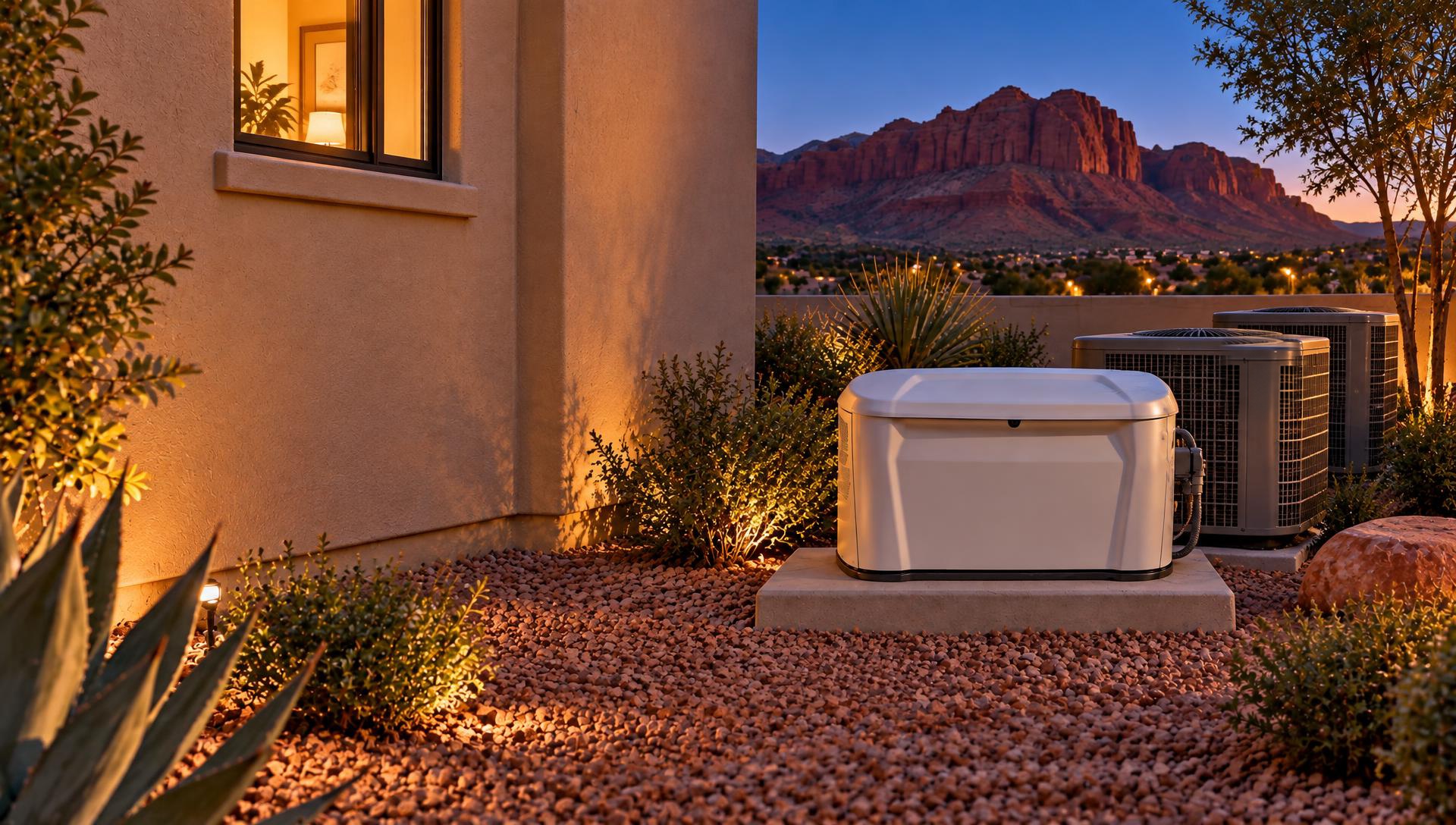
Generator sizing for Southern Utah homes
Size is one of the biggest decisions in a backup power project. It decides what your home can run during an outage, and it affects both the equipment and the installation cost. The answer comes from what's in your house, not how big it is.
St. George, Utah & surrounding communities
Loads, not square feet
What runs in the house sets the size
Starting surge counts
Motors need extra power to start
Licensed electrician
Rusty Lee, Citywide Electric LLC
The principle
Sizing is about loads, not square footage
Picture two 3,000 square foot homes. One has gas heat, a gas range, a gas water heater and one air conditioner. The other is all electric with two air conditioners, a pool pump, a spa and an EV charger. Same size house, very different generator.
Starting demand matters too. Motors like AC compressors, well pumps and pool pumps pull a lot more current for a second when they start than they do while running. A generator that can carry a load all day might still struggle to start it.
So the process starts with a list of what you want powered. Our home generator guide covers how the whole system fits together.
Factors
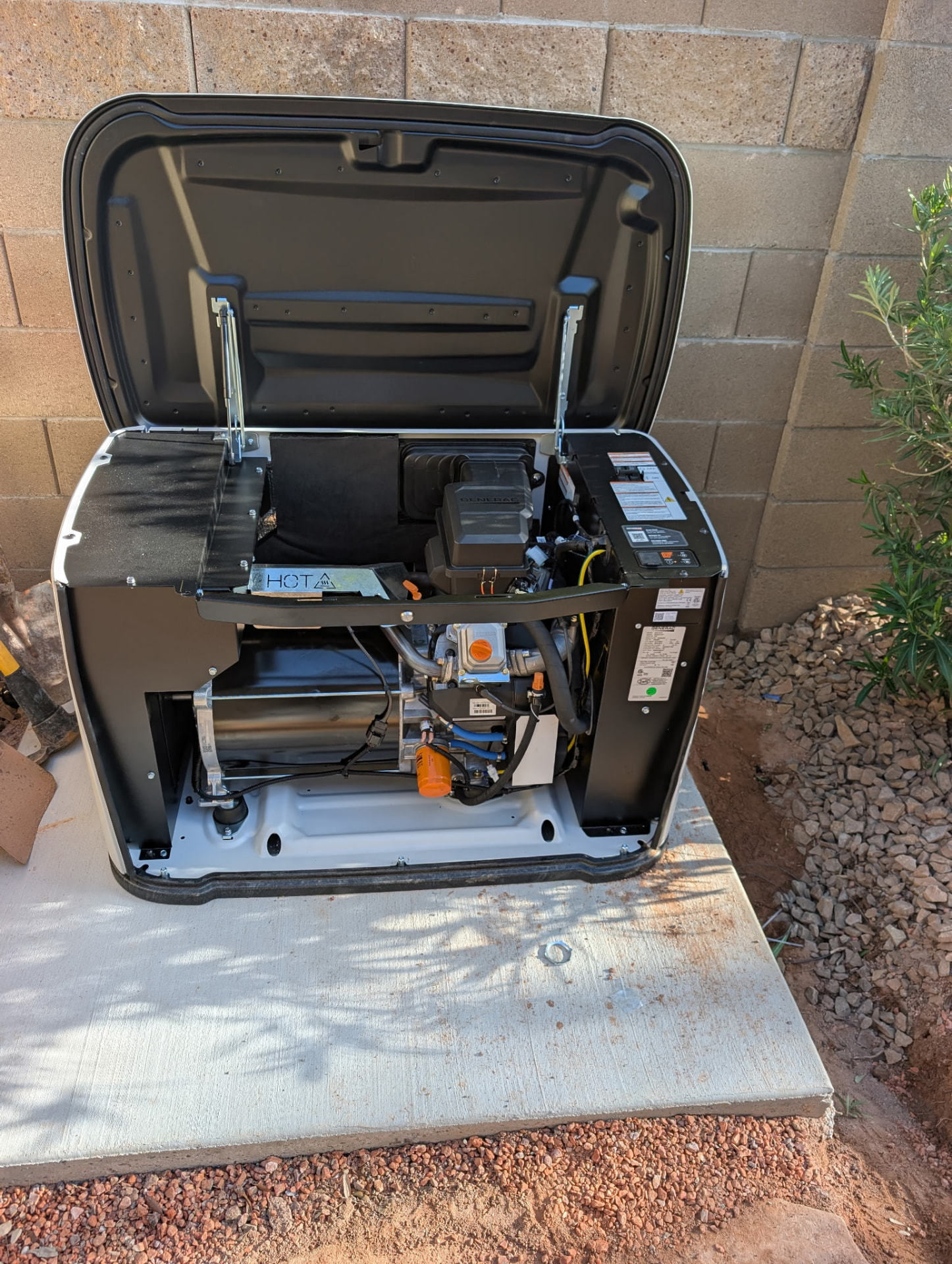
The loads that shape generator size
These are the things an electrician looks at first. Want to jot yours down ahead of time? Use the sizing worksheet.
Air conditioning
Number of systems, tonnage and the surge when compressors start
Heating
Furnaces, heat pumps or electric resistance heat
Kitchen
Refrigerators, freezers, electric ranges and ovens
Water
Electric water heaters, well pumps and booster pumps
Pool and spa
Pumps, heaters and hot tubs
EV charging
Often managed or left off backup on purpose
Medical equipment
Anything someone at home relies on
Everyday circuits
Lighting, internet, outlets and shop equipment
Tradeoffs
Too small, too large or right sized
Too small
The loads you were counting on may not run. Breakers trip or equipment won't start, and you learn the limits during the outage instead of during planning.
Too large
A much bigger unit than you need raises the equipment price and can raise installation and fuel supply costs for capacity the home rarely uses.
Right sized, with load management
A generator matched to the home, with big loads taking turns automatically. Often a good value for larger homes whose heavy loads rarely all run at once.
Coverage options
Load management happens at the transfer switch, and the size you land on drives a big part of project cost.
Local factors
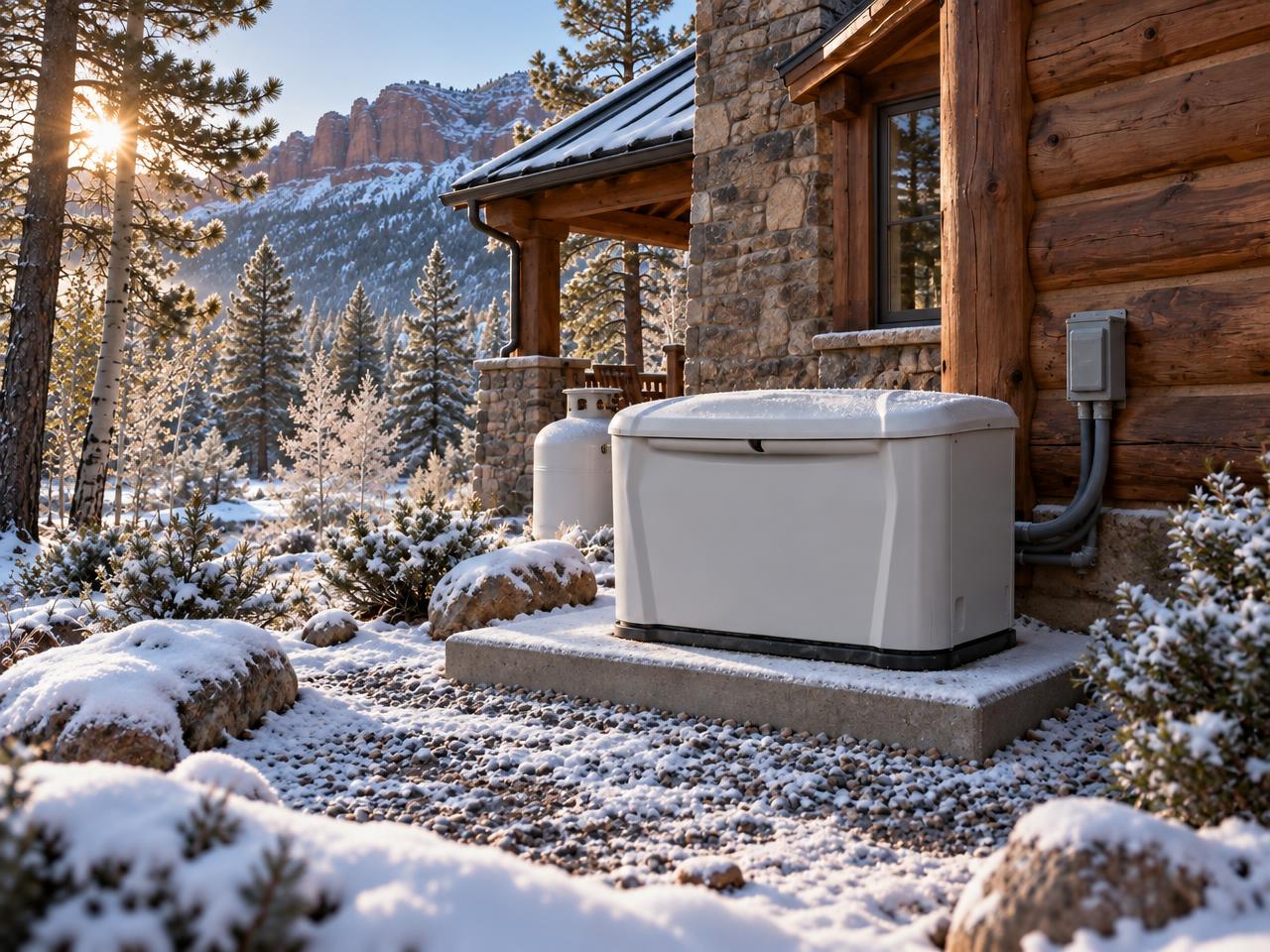
What's different about sizing in Southern Utah
St. George valley: summer cooling is the big one. With two or three AC systems, the question is how those compressors behave together and whether they should be allowed to start at the same time.
Higher elevations: in Cedar City, Parowan, Brian Head and Duck Creek Village, heating takes the lead and propane is common. Winter fuel delivery becomes part of the plan. See natural gas vs propane.
Rural properties: well pumps, long service runs, shops and irrigation all go on the list. These are often the homes where backup power matters most. Check our service areas for the communities covered.
Questions
Generator sizing questions
What size generator do I need for my house?
It depends on what you want running, not the square footage. A walkthrough of your air conditioning, heating, water heating, kitchen and any pool, well or EV charger is what sets the size. Our load worksheet can give you a starting point.
Can a generator run my whole house in Southern Utah?
Yes, with the right size and transfer setup. Homes with two or three air conditioners often pair a whole-home generator with load management so the compressors don't all start at once.
Why does air conditioning matter so much for sizing?
AC compressors pull a big surge of current for a moment when they start. A generator has to handle that surge, not just the steady running load, and in St. George summers AC is usually the largest load in the house.
Is it better to oversize a generator?
Some headroom is reasonable, but going much larger than needed usually adds cost without much benefit. Right sizing with load management tends to be the better value.
Do I need to back up my EV charger?
Usually not during an outage. Many homeowners leave the charger off backup or put it on load management so it only runs when there's spare capacity.
Does elevation affect generator size?
It can. Engines lose some output at higher elevation, and manufacturers publish derating guidance. That matters in places like Cedar City, Brian Head and Duck Creek Village.
More answers on our generator FAQ page.
Keep reading
Related generator guides
- Sizing worksheetThink through your load list before the consultation.
- Whole-home generatorsWhole-home, essential and managed coverage compared.
- Generator costHow capacity decisions shape project cost.
- Transfer switchesHow load management works with transfer equipment.
- Generator installationWhat happens after the system is picked.
Next step
Want help sizing your home?
Rusty Lee of Citywide Electric LLC, a Utah licensed electrical contractor, can walk through your loads, your panel and what you'd like running, then recommend a size that fits. Learn more about Rusty.
This page is general information, not an engineering load calculation, quote or code ruling. Actual generator size depends on your equipment, electrical service, fuel supply, elevation, manufacturer specifications and local code. A licensed electrician should confirm sizing at your property before you buy. Generac is a trademark of its respective owner.